Picture a founder who has spent 18 months perfecting a serum. The formula performs beautifully, early customers rave about it, and the packaging is ready. Then the label copy comes back from review with a problem: "visibly reduces wrinkles in 14 days" has no data behind it. Launch is delayed, budget is spent, and the brand is back to square one.
After 25 years as a formulation and regulatory manager, I have seen this scenario many times. I call it the evidence gap: the distance between what a brand wants to say about its product and what it can actually prove. It is one of the most common and most costly challenges facing cosmetic brands, start-ups and manufacturers today.
What Is the Evidence Gap in Cosmetic Claims Substantiation?
Every claim on your packaging, website or social media is a promise to the customer. Under the UK Cosmetics Regulation and its EU equivalent, you must be able to support that promise with appropriate evidence. This applies to headline claims such as "anti-ageing" or "long-lasting hydration", and to quieter ones such as "gentle", "hypoallergenic" or "dermatologically tested".
The evidence gap opens when marketing ambition outpaces the technical file. It usually happens for understandable reasons: limited budgets, tight launch timelines, or a belief that good ingredients automatically justify strong claims. They do not. An active ingredient with published research is a starting point, but your finished formulation still has to deliver the result.
Why Regulators and Consumers Are Watching Closely
Scrutiny is rising on several fronts:
- Regulators and advertising bodies. In the UK, the Advertising Standards Authority regularly challenges unsubstantiated beauty claims, and trading standards teams can review your product information file.
- Retailers. Many now ask for supporting evidence before listing a product.
- Consumers. Shoppers are more ingredient literate than ever and quick to question exaggerated promises online.
- Claim trends. Sustainability, "clean" beauty, microbiome and skin barrier claims are growing fast, and each needs careful, specific substantiation.
The opportunity is real. Brands that back their claims with credible data stand out in a crowded market and earn lasting trust.
Matching Your Claim to the Right Testing
A common mistake is to assume one test covers everything. In practice, the evidence must fit the claim.
Safety Testing Comes First
Before any efficacy claim, your product needs a robust cosmetic product safety report, supported by stability, preservation and compatibility data. Without this foundation, performance claims are irrelevant.
Instrumental and Clinical Testing
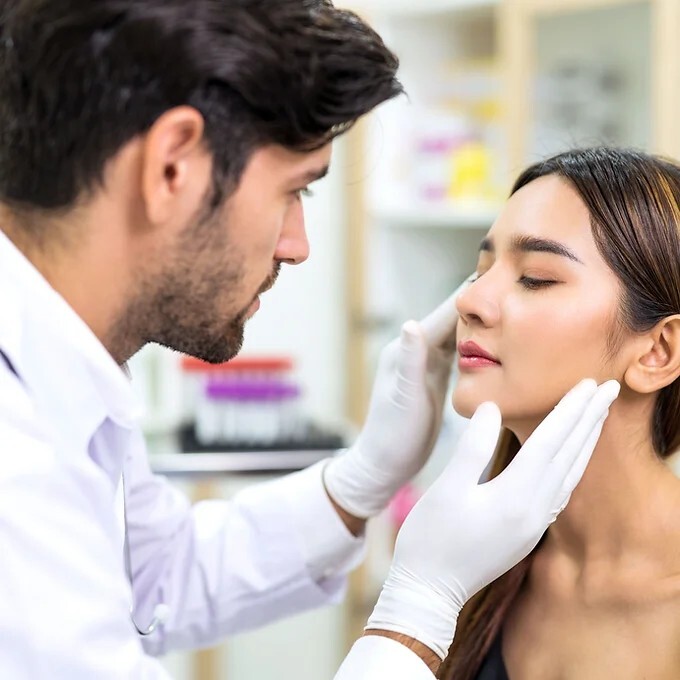
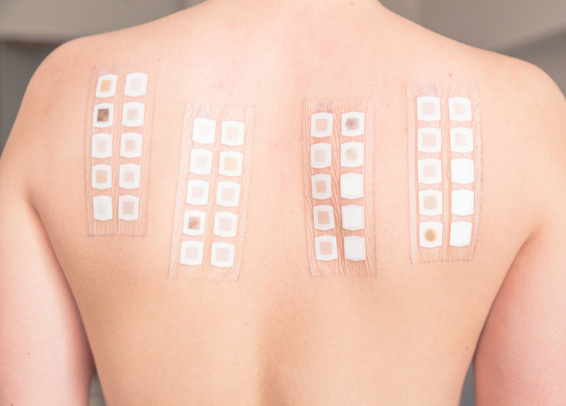
If you claim improved hydration, firmness or elasticity, measurable data from instrumental studies on volunteers is the strongest route. For claims such as "dermatologically tested" or "suitable for sensitive skin", appropriate dermatological assessment is expected, and the wording must reflect what the study actually showed.
Consumer Perception Studies
Statements such as "skin feels smoother" or "95% said it absorbed quickly" are perfectly acceptable when supported by a properly designed consumer study. The key is that the wording matches the type of evidence. A perception study supports perception claims, not claims of measured physiological change.
A Mini Case Study: Rescuing a Launch
A small skincare start-up approached me shortly before launch. Their moisturiser carried "clinically proven 24 hour hydration", but their only evidence was a supplier's data sheet for one ingredient.
We reviewed the file and found the formulation was sound. The claim simply was not supported. Rather than abandon it, we commissioned a modest instrumental hydration study and a consumer panel. The results supported a refined claim: "skin feels hydrated for up to 24 hours", backed by volunteer data. The launch moved by six weeks, but the brand gained a defensible claim, a stronger retailer pitch and far less regulatory risk.
Practical Steps to Close the Evidence Gap
- Audit your claims early. List every claim across packaging, website, social media and sales material, and note the evidence behind each one.
- Plan testing alongside formulation. Build claims strategy into development, not the final weeks before launch.
- Choose claims you can prove. Specific, measurable and honestly worded claims perform better commercially and legally than vague superlatives.
- Keep your product information file current. Reformulations, new suppliers and new markets all affect your documentation.
- Check marketing against the data. Wording drift between the technical file and an influencer post is a frequent cause of problems.
- Budget realistically. Testing is an investment in your brand's credibility, and costs are far lower than a relaunch or a regulatory challenge.
Turning Compliance into Competitive Advantage
Many business owners see claims substantiation as a hurdle. The most successful brands I work with see it differently. Credible evidence shortens retailer negotiations, supports premium pricing and gives sales teams confidence. It also protects the reputation that took years to build.
Great cosmetic claims are built on evidence. Closing the evidence gap means understanding which claims you want to make, choosing the right testing to support them and keeping your documentation aligned with your marketing. Do this early and it becomes a strength rather than a source of delay.
Need Support with Your Cosmetic Claims?
If you are developing a new product, reviewing existing claims or preparing for a retailer or regulatory review, I would be glad to help. With 25 years of experience in cosmetic formulation and regulatory affairs, I support businesses in building claims strategies, selecting appropriate testing and strengthening their product information files.
Get in touch today for a friendly, no-obligation conversation about your products and your claims. Contact me and let's make sure your best claims stand up to scrutiny. here